
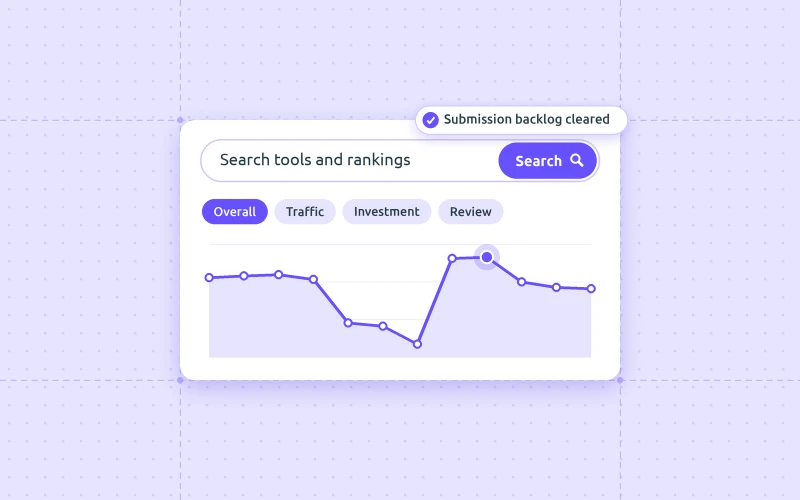

The RankmyAI Bookkeeping Automation Ranking presents the top 25 AI tools from our Overall ranking focusing on bookkeeping automation.
Bookkeeping software helps solopreneurs, small businesses, and accounting professionals automate routine accounting work. These tools categorize transactions, connect to bank accounts and payment platforms, extract data from invoices and receipts, and reconcile accounts. They also generate real-time financial dashboards and reports, and handle invoicing. This reduces manual data entry and improves accuracy, while human support remains available for complex cases.
Common uses include categorizing daily bank and payment transactions, matching imported transactions with bookkeeping records, and turning invoice and receipt data into entries. When choosing, compare bank and payment integrations, document extraction, reconciliation accuracy, reporting, and invoicing support. Look for bookkeeping automation that fits your workflow, and consider whether you need ai bookkeeping software or a simpler automated bookkeeping setup.
 unknown
 France
 freemium
 United Kingdom
 paid
 United States
freemium
United States
unknown
 Brazil
freemium
 New Zealand
unknown
France
paid
United States
paid
United States
freemium
United States
unknown
 Norway
paid
United States
unknown
unknown
 Mexico
unknown
 Austria
freemium
 Malaysia
freemium
United States
unknown
 India
unknown
United States
freemium
freemium
India
freemium
India
freemium
 Germany
freemium
paid
 Denmark
Rankings in Finance & Banking
- Accounts Payable Automation
- AI budget management
- AI earnings analysis
- AI financial management
- AI invoice & payment processing
- AI stock market analysis
- Automated Crypto Trading
- Bookkeeping Automation
- Credit Risk Management
- Deal Sourcing
- Expense management
- Financial Data Processing & Analysis
- Loan Operations Management
- Payment Processing
- Personal Financial Planning
- Portfolio Management
- Transaction Monitoring

Common use cases & Sub-categories
Some of the common use cases of the tools in the RankmyAI Bookkeeping Automation Ranking are automatically categorizing daily bank and payment transactions for solopreneurs and small businesses, reconciling accounts by matching imported transactions with bookkeeping records, extracting invoice and receipt data into bookkeeping entries, and producing real-time financial dashboards and reports for business owners and accounting professionals.
Within the RankmyAI Bookkeeping Automation Ranking, RankmyAI has defined four sub-categories. The most common are Bookkeeping With Tax Compliance, Invoicing and Payment Collection, and Accounting Firm Workflow Automation.
Bookkeeping With Tax Compliance prepares and files business tax returns, VAT submissions, statutory compliance reports from recorded transactions. Invoicing and Payment Collection creates, sends and tracks customer invoices and quotes, collects payments and receivables alongside bookkeeping.
Accounting Firm Workflow Automation automates multi-client bookkeeping workflows, practice management and data quality checks for accounting firms, bookkeepers. Cash Flow Monitoring and Forecasting tracks cash position, forecasts cash flow and supports financial planning from bookkeeping data.
Frequently asked questions
Bookkeeping automation tools categorize transactions, connect to bank accounts and payment platforms, extract data from invoices and receipts, and reconcile accounts. They also produce real-time dashboards and reports and can manage invoicing. This reduces manual data entry and improves accuracy, while human support remains available for complex cases.
The best choice depends on your transaction volume, bank and payment integrations, document extraction needs, and reporting requirements. This page ranks leading bookkeeping software for solopreneurs, small businesses, and accounting professionals. Compare the tools listed here to find the one that fits your workflow.
No. These tools automate routine tasks such as transaction categorization, reconciliation, and data extraction. Human support remains available for complex cases. The category focuses on day-to-day bookkeeping rather than statutory financial reporting, multi-entity consolidation, or enterprise resource planning.
Pricing and free options vary by provider. Check each tool's pricing page for current details. This page ranks leading bookkeeping software so you can compare features and costs before choosing.
Disclaimer
The RankmyAI Bookkeeping Automation Ranking is derived from our Overall ranking, which measures the popularity of AI tools based on three key metrics: website traffic, reviews, and investments. The Overall ranking is calculated as the weighted average of the individual rankings for each of these metrics (for more details, see our Methodology page).
Not all AI tools in this ranking are exclusively focused on bookkeeping automation, as AI tools and companies often provide multiple services beyond this specific application. This ranking does not assess or indicate the quality, effectiveness, or reliability of the listed AI tools. It is solely based on popularity metrics and should not be interpreted as an endorsement or evaluation of their performance.
You are free to use and distribute our ranking, provided that RankmyAI is properly cited as the source (see our Copyright page).