



These rankings are based on data from August 2026
Company
LINGUA INTELLEGENS, UAB
Years in business
- 16
Number of employees
- 2-10 employees
Country
- Lithuania

Plagramme offers a comprehensive multilingual plagiarism detection tool that compares academic papers to vast collections of scholarly articles and texts. It aids educational institutions by enabling thorough originality evaluations and promoting ethical academic practices without limiting intellectual creativity.
API Availability
- Unknown
Pricing
unknown
Ranking position over time
September 2025 - August 2026
#12,802
Best rank
#21,137
Lowest rank
Down 4,372 spots over 11 months
12-month trend
#12,871
Best rank
#18,383
Lowest rank
Down 2,578 spots over 11 months
12-month trend
Company
LINGUA INTELLEGENS, UAB
Years in business
- 16
Number of employees
- 2-10 employees
Country
- Lithuania
Other tools from LINGUA INTELLEGENS, UAB
- Pemeriksa plagiarisme
- Plagiatsprüfer
- Detector de plágio
- Controllo antiplagio
- Проверка на плагиатство
- İntihal denetleyicisi
- Перевірка плагіату
- Kontrola plagiátorství
- Plagiatkontrol
- Detector de plagio
- Plagiointitarkistus
- Ddétecteur de plagiat
- Έλεγχος λογοκλοπής
- Provjera plagijata
- Plágium-ellenőrző
- Cek plagiarisme
- されている盗作チェッカ
- 표절검사기
- Plagiato patikra
- Uzticams plaģiāta
- Проверка на плагијати
- Plagiatkontroll
- Plagiarism checker
- Program antyplagiatowy
- Verificador de plágio
- Verificator de plagiat
- Plagiatkontroll
- Preverjevalnik plagiatorstva
- Kontrola plagiátorstva
- Plagiarism checker
- 的抄袭能检测器
- Plagiaatcontrole
- Plagramme
Popular tools
Insights
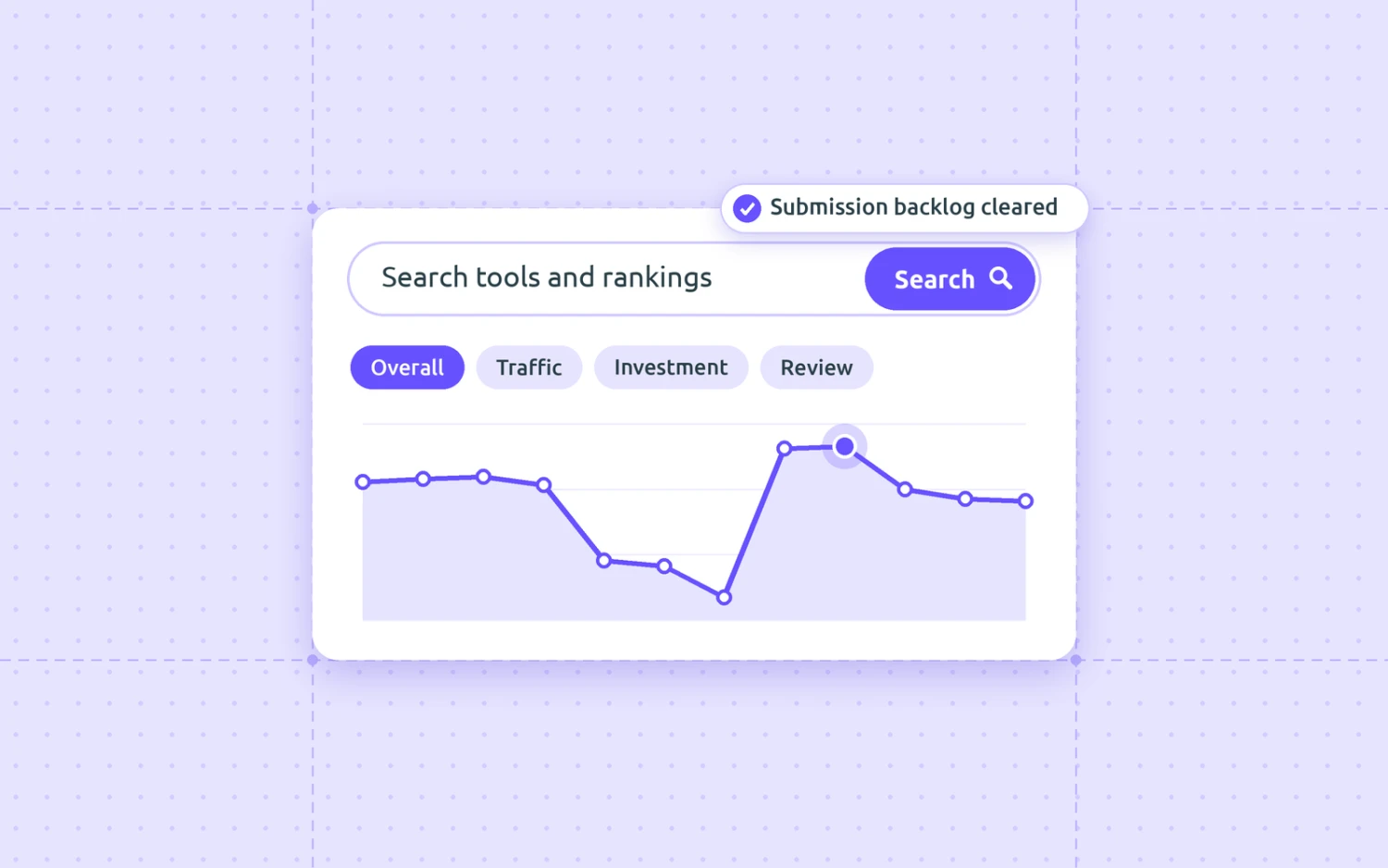
Behind the scenes: Better search, ranking history and faster tool listings
We have improved our search function, added twelve-month ranking charts and reorganised tool profile pages. You will also find more content that updates automatically across the website. We have processed all outstanding tool submissions, so new tools now appear on RankmyAI much sooner.

Paulius from LupaSearch on AI search, product discovery, and the challenge of scaling AI in e-commerce
An interview with Paulius Nagys from LupaSearch on how AI is changing e-commerce search and product discovery. He explains why the search bar is still underestimated, why LLMs are not always the best answer, and why e-commerce companies need better data, better decision-making, and a more precise understanding of AI.